
In professional hospitality, cleaning and hygiene are not support functions. They are core operational disciplines that directly influence safety, guest confidence, staff performance, and brand credibility. During peak operating periods, when occupancy rises and service intensity increases, hygiene standards are constantly tested across kitchens, dining areas, guest rooms, washrooms, and all public spaces.
This is where the gap between routine cleaning and professionally managed hygiene becomes visible. Operators who rely on reactive approaches struggle to maintain consistency. Those who invest in structured hygiene systems protect service flow, reduce risk, and maintain guest trust under pressure.
For hygiene managers, supervisors, and operations leaders, cleaning excellence is no longer about effort alone. It is about following processes, systems, equipment, readiness, and accountability.
Equipment That Sustains Performance Under Pressure

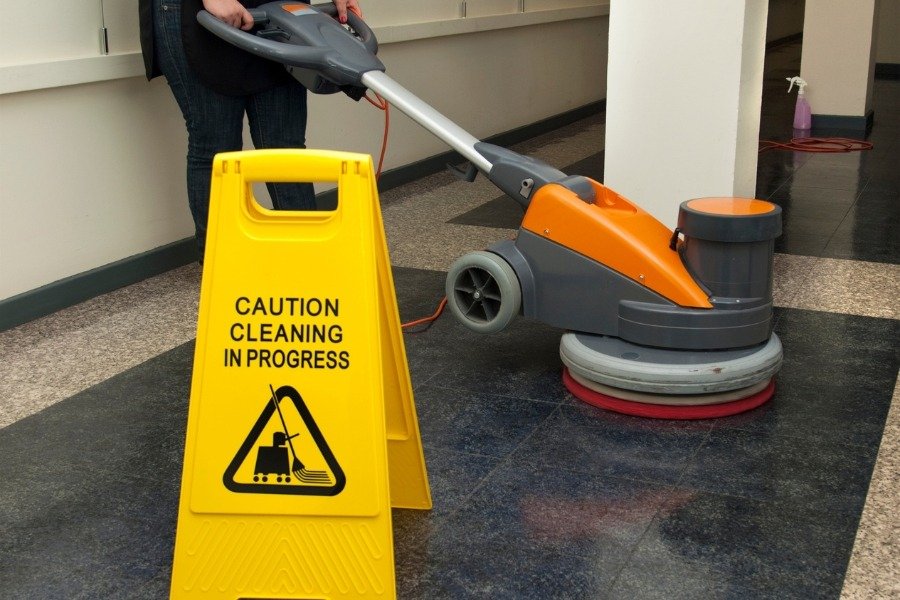
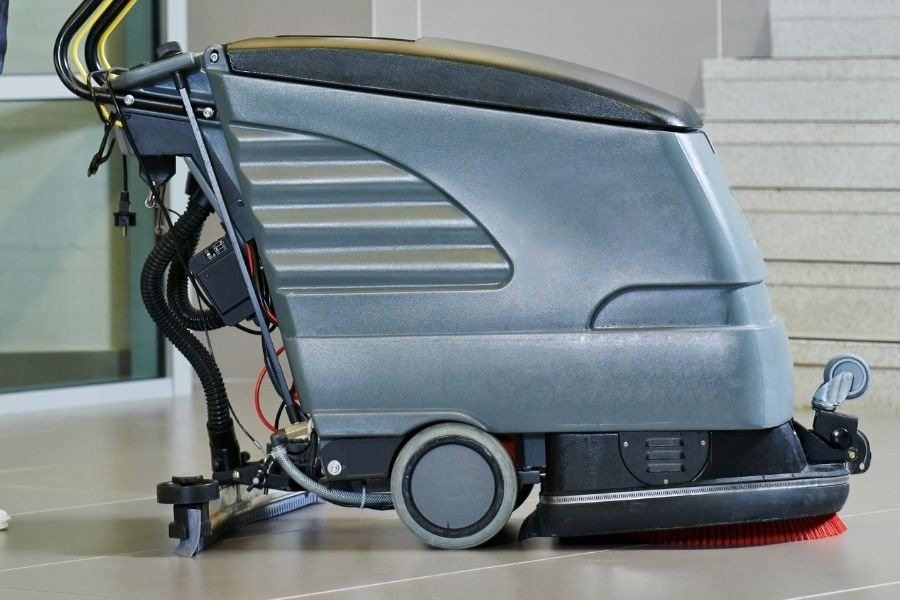
High performing hygiene operations depend on equipment engineered for hospitality environments. Industrial vacuums manage continuous foot traffic in guest facing areas. Floor scrubbers restore large surfaces quickly without disrupting service. Steam cleaners deliver deep sanitation in kitchens and back of house zones while reducing chemical reliance. Pressure washers maintain outdoor areas, service yards, delivery zones, and high soil environments where hygiene failures are most visible.
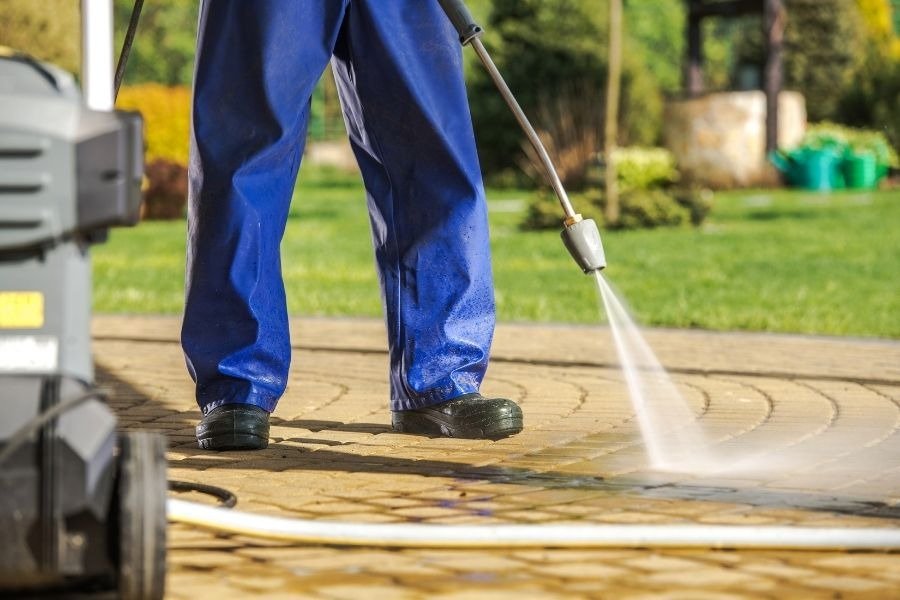
Across hotels, resorts, catering operations, and institutional kitchens, the right equipment reduces physical strain on teams, shortens turnaround times, and enables consistent results across long operating hours. Smart hygiene operations do not chase complexity. They prioritise reliable, proven machines that perform consistently day after day.
Supplier Reliability Is Operational Insurance
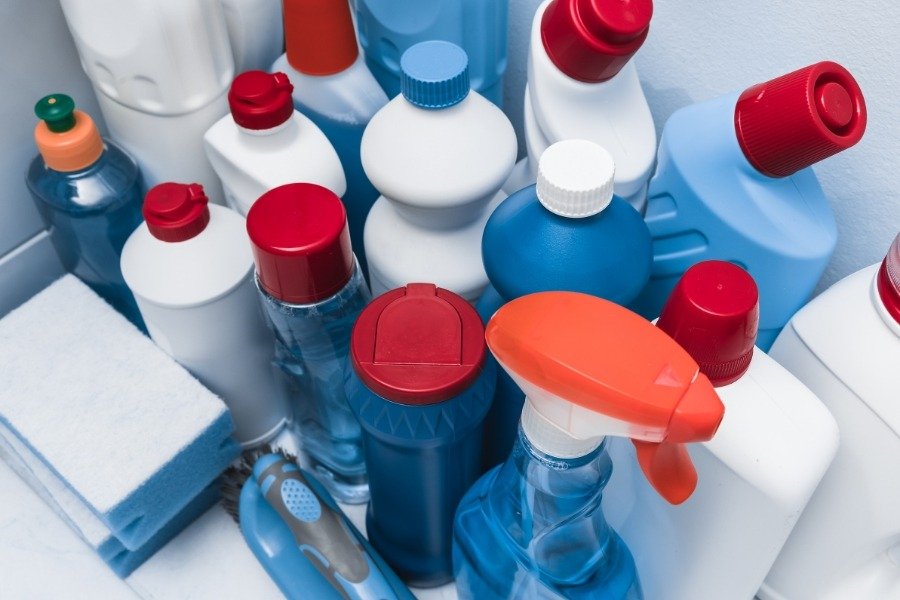
No hygiene operation performs consistently without dependable supply and service partners. Professional cleaning suppliers do more than deliver products. They protect continuity. Access to the right chemicals, consumables, spare parts, and technical support prevents disruption when demand is at its highest.
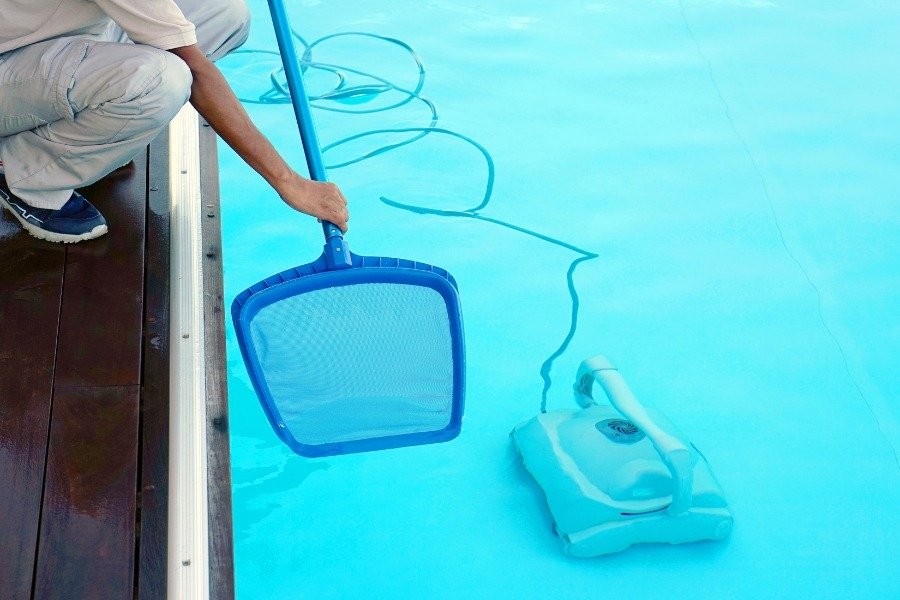
During peak periods, many operators adopt hybrid or outsourced cleaning models to manage volume without exhausting internal teams. When structured correctly, these models provide flexibility, reinforce standards, and preserve accountability. The key is partnership, not substitution. External support must operate within defined hygiene protocols and performance expectations.
Readiness is Not a Reaction
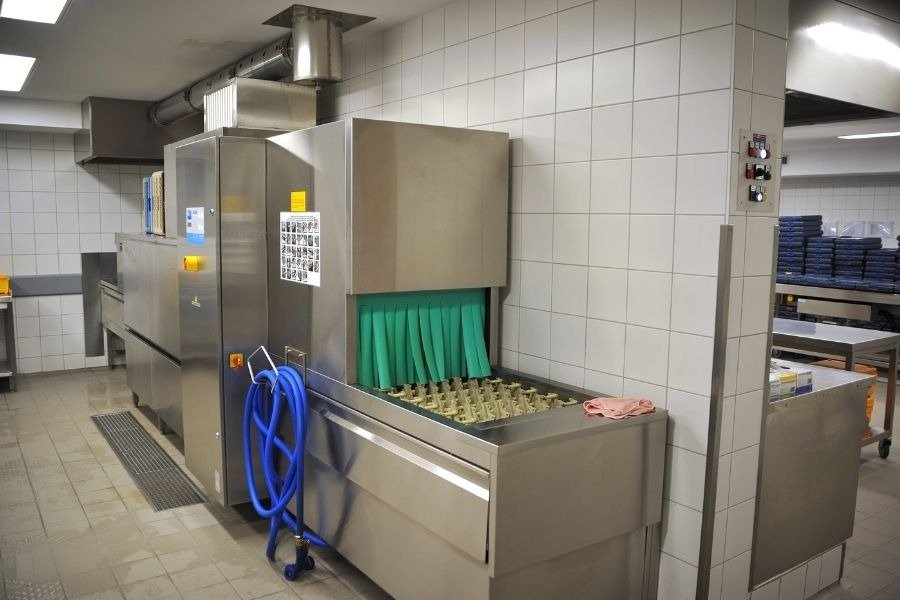
Peak season performance is built before demand arrives. Equipment inspection, correct handling, operator training, and preventive maintenance ensure machines perform at full capacity when required. Equipment failure during peak service does not only delay cleaning. It compromises safety, interrupts operations, and damages guest perception.
Professionally run hygiene teams embed readiness into daily routines. Equipment care is treated as operational discipline, not an afterthought. This is how reliability is sustained when pressure increases.
Cleanliness Guests Can Trust
Guests may never see hygiene schedules, chemical protocols, or maintenance logs, but they immediately recognise the outcome. Clean floors, fresh public spaces, hygienic washrooms, and well maintained facilities communicate control, care, and professionalism.
These visible standards directly influence guest confidence, online reviews, and repeat visits. At senior levels, cleaning excellence becomes a brand asset. It reassures guests quietly and consistently, without explanation.
Hygiene as a Leadership Function

Sustained success in hospitality is built on foresight, investment, and discipline. Operators who treat cleaning and hygiene as strategic functions, supported by the right equipment, suppliers, and service models, build operations that remain resilient beyond peak season.
Cleaning excellence protects brands, supports teams, and safeguards revenue. For professionals committed to leadership in hospitality operations, hygiene is not about maintaining minimum standards. It is about setting them.