
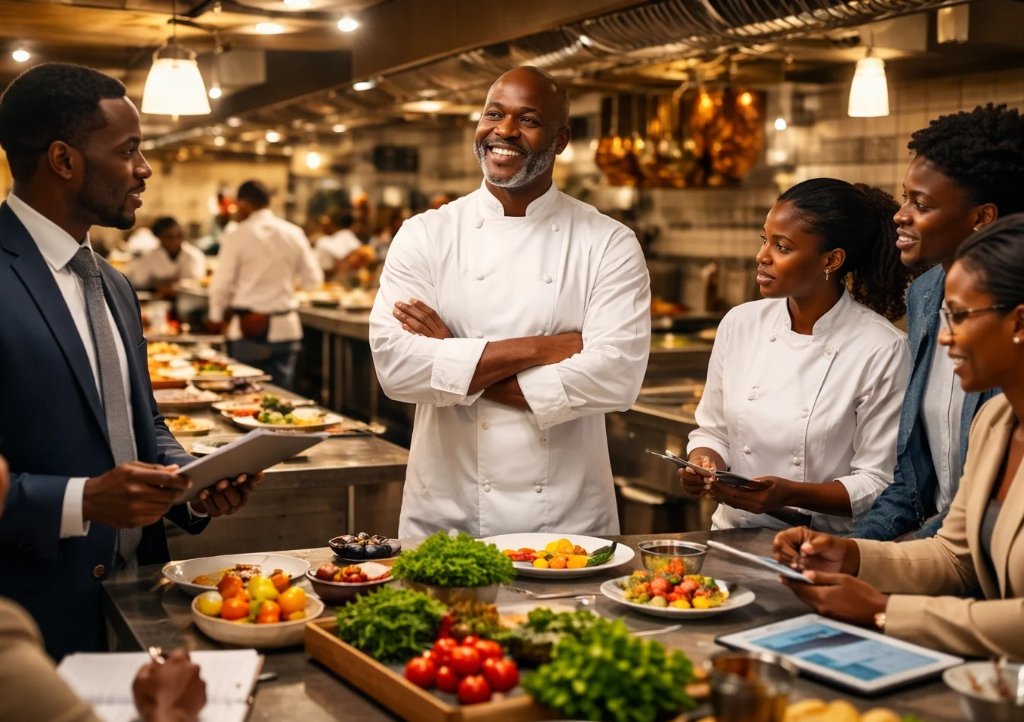
Where Culinary Creativity Meets Commercial Intelligence Across Hotels, Restaurants And Hospitality Groups
The modern Executive Chef is no longer responsible for exceptional food alone. Today’s culinary leaders influence profitability, operational efficiency, guest satisfaction, workforce development and the overall success of hospitality businesses.
Across hotels, restaurants and hospitality groups, successful Executive Chefs combine culinary creativity with commercial intelligence. From engineering profitable menus and controlling food costs to developing high-performing teams and investing in the right technology, their decisions extend well beyond the kitchen.
The result? Better dining experiences, stronger operations and healthier profit margins.
1. Menu Strategy And Revenue Contribution
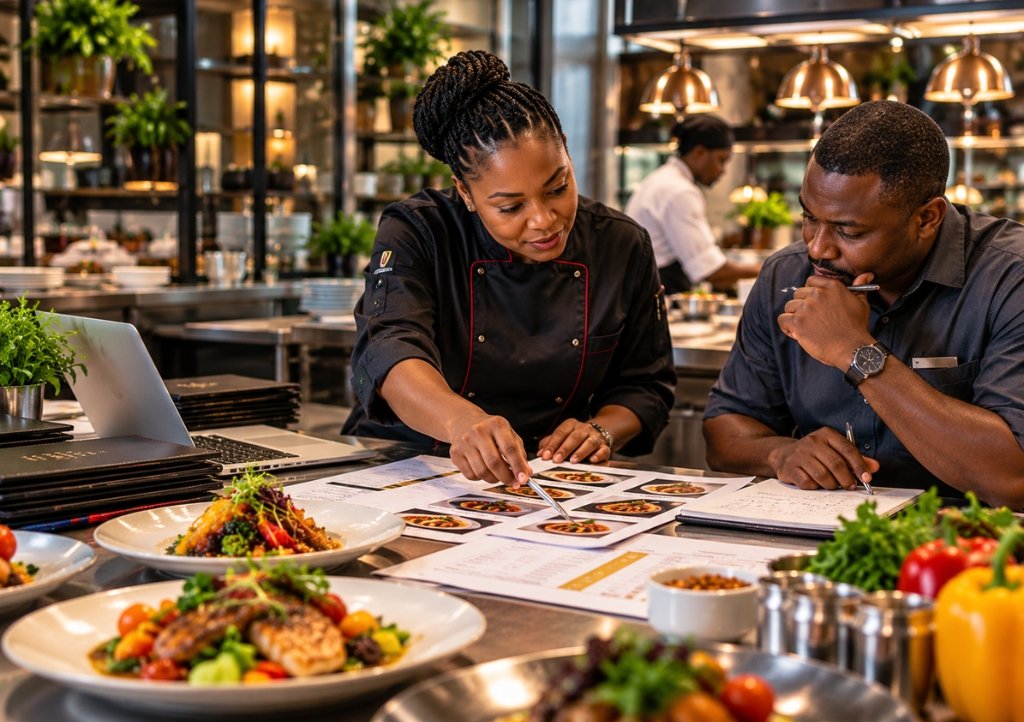
A popular dish is not necessarily a profitable one. Executive Chefs must understand what guests order, what each dish costs to produce and how much revenue remains after ingredient costs.
Effective menu engineering combines sales performance, contribution margins, seasonal availability and guest preferences. A bestselling dish with a weak margin may benefit from smarter ingredient sourcing, recipe adjustments or better pricing rather than removal.
The commercial advantage: Menus designed to satisfy guests while generating stronger returns from every sale.
2. Cost Discipline And Operational Control
Profitability can disappear through oversized portions, excessive waste, poor stock rotation and inconsistent purchasing decisions.
Executive Chefs who monitor food-cost percentages, forecast production accurately and collaborate with procurement teams can identify unnecessary expenditure before it affects profitability.
Consider a kitchen purchasing KES 2 million in ingredients monthly. Reducing avoidable purchasing and production costs by just 3% represents KES 60,000 in monthly savings, assuming purchasing volumes and other costs remain unchanged.
The commercial advantage: Lower avoidable costs without compromising food quality or guest expectations.
3. Technology And Kitchen Efficiency
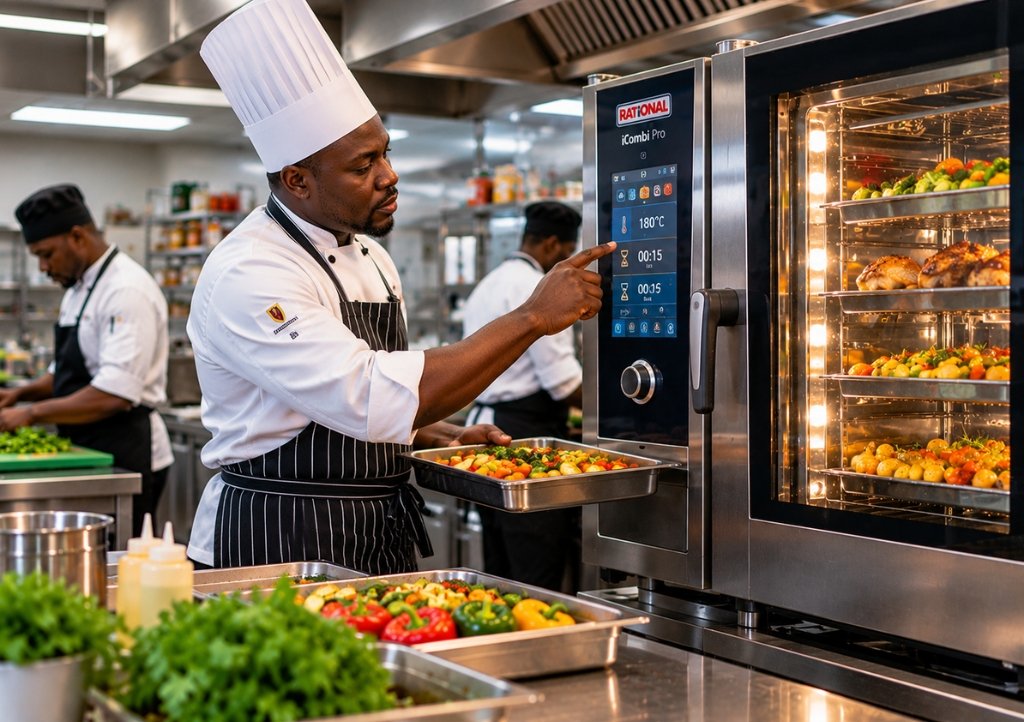
From digital recipe-costing systems and inventory management to programmable combi ovens and production forecasting, technology is helping professional kitchens operate more consistently and efficiently.
However, the most expensive equipment is not necessarily the best investment. Executive Chefs should evaluate production capacity, labour requirements, energy consumption, maintenance costs and expected return on investment before recommending purchases.
The commercial advantage: Smarter technology investments that improve productivity, consistency and operational control.
4. People Leadership And Brigade Development
Even the best-designed kitchen cannot succeed without a capable, motivated brigade.
Modern Executive Chefs are responsible for developing talent, mentoring junior chefs, maintaining food safety standards and creating a workplace where teamwork and accountability drive performance

Cross-training also reduces dependence on individual employees, while clear recipes, preparation standards and effective communication help maintain consistency across shifts.
The commercial advantage: Stronger teams, fewer avoidable service disruptions and more consistent guest experiences.
5. Capital Awareness And Long-Term Value
Kitchen design and equipment decisions have financial consequences that extend far beyond the initial purchase.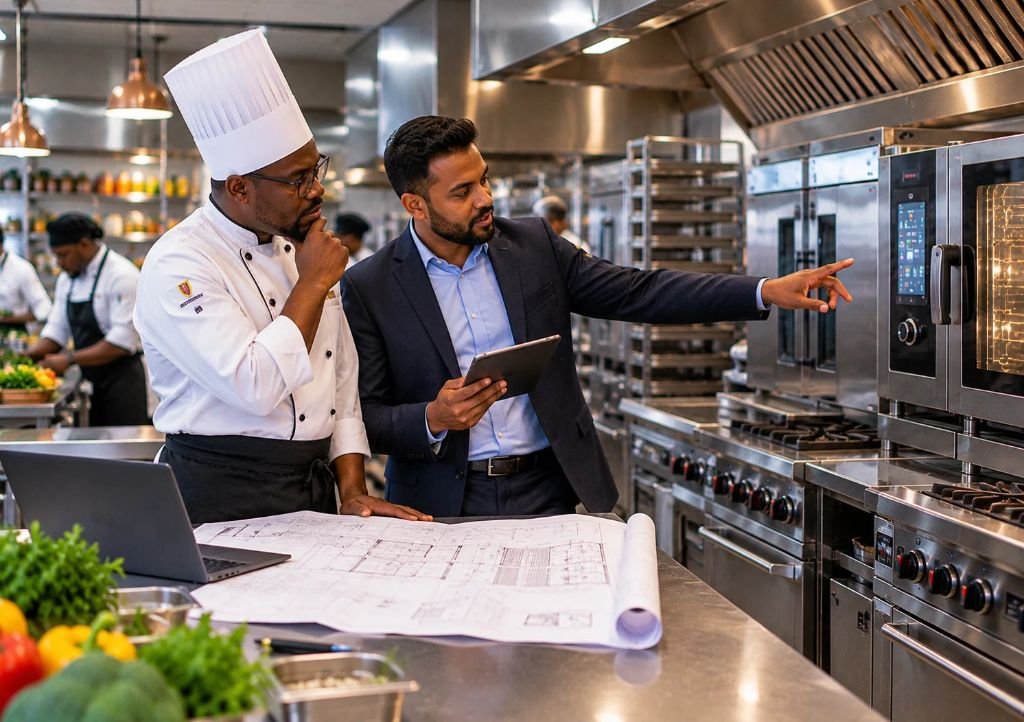
An Executive Chef involved in planning a new cooking line, refrigeration system or production facility can help management assess workflow, production requirements, operating costs and future expansion needs.
For example, a cheaper appliance that consumes more energy, requires frequent maintenance or slows production may ultimately cost the business more over its working life.
The commercial advantage: Better capital investments that protect long-term efficiency, asset value and profitability.
6. Culinary Leadership That Delivers Business Results
The most successful Executive Chefs understand that culinary excellence and commercial performance must work together.
Their effectiveness can be measured through food-cost percentage, contribution margins, food waste, labour productivity, guest satisfaction and consistency of service.
 Are You A HORECA PROFESSIONAL?
Claim Your FREE HORECA KE Membership Here >>> https://www.horecaafrica.com/professionals
 Are You A HORECA SUPPLIER?
Join The HORECA KE SUPPLIER Network Here >>> https://www.horecaafrica.com/suppliers
To Stay Ahead In The HORECA Industry