
Safety, security, and energy management form an invisible framework that allows hospitality operations to perform and thrive without interruption. During peak trading periods, when occupancy is high, events are frequent, and operating hours are extended, these systems are continuously tested. In such conditions, preparedness is not optional, it is the difference between controlled operations and avoidable disruption.
For professionals responsible for safeguarding people, assets, and infrastructure, leadership is demonstrated through readiness, system integration, and the ability to maintain stability regardless of external pressures.
Integrated Safety and Security as a Foundation
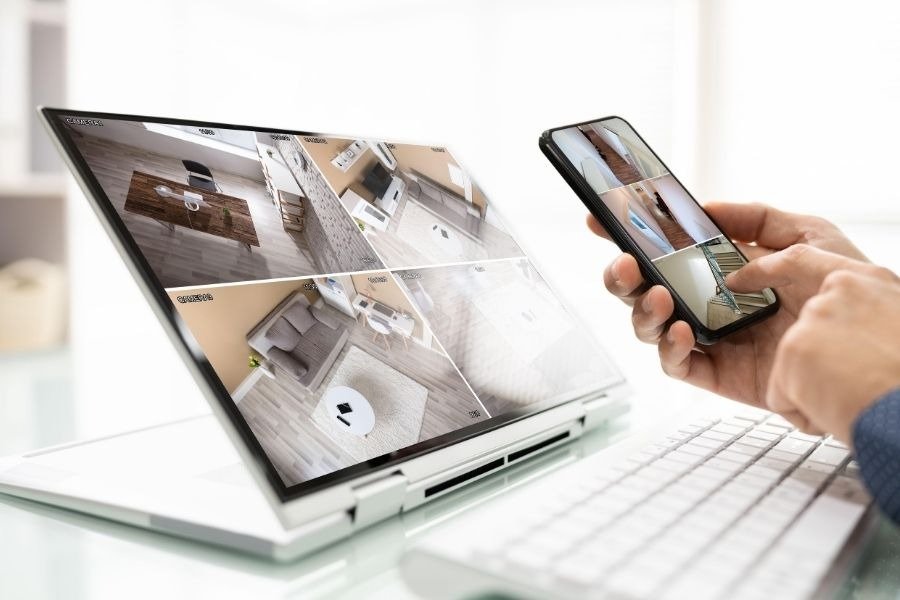
Effective hospitality environments rely on safety and security systems that function seamlessly across all areas of the property. Surveillance, access control, fire detection, emergency response, and perimeter security must work together to support high guest volumes without creating friction or discomfort.
During peak periods, these systems enable controlled access, effective crowd management, and rapid incident response, all while remaining discreet. The goal is reassurance, not intrusion, ensuring guests and staff feel protected even in high-traffic environments.
Power Failure Is Not an Option
Energy reliability is a critical operational risk in hospitality, particularly in markets where grid interruptions can occur without warning. Lighting, HVAC systems, kitchens, refrigeration, elevators, IT infrastructure, and security systems all depend on uninterrupted power to function safely and efficiently.
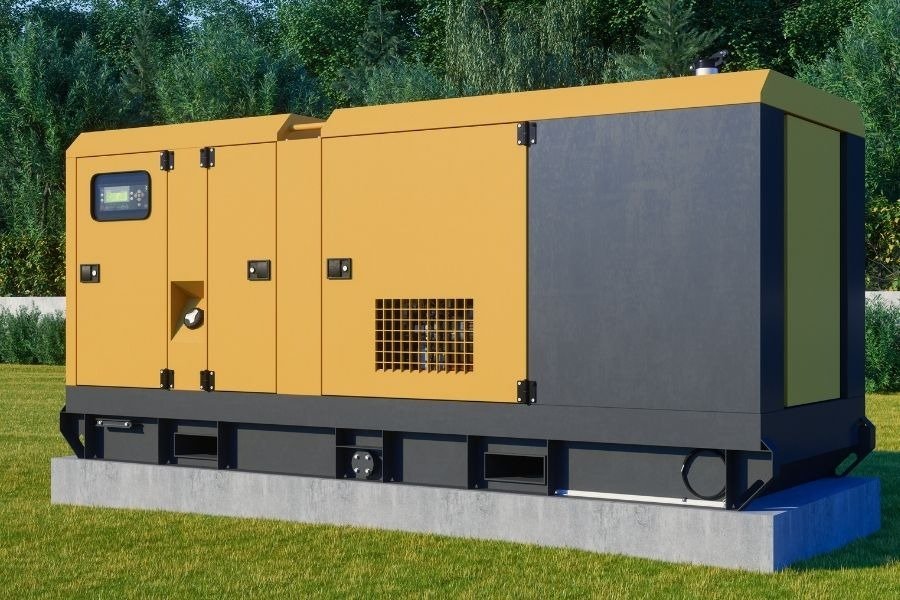
Backup power solutions—including generators, UPS systems, and automatic changeover infrastructure—are therefore not contingency measures; they are essential operational assets. Well-designed power continuity plans ensure that safety systems remain active, guest comfort is maintained, and service continues seamlessly during outages.
Professionally managed energy operations also include load management, fuel planning, routine generator testing, and clear response protocols. These measures prevent downtime, protect equipment, and preserve guest confidence when external power supply is compromised.
Power Through with Solar and other Smart Alternative Energy Solutions
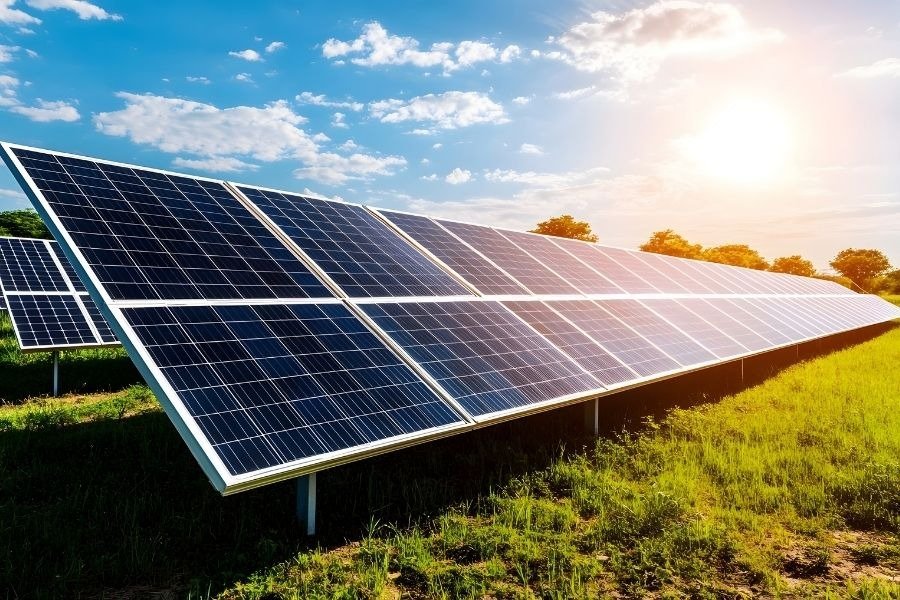
Solar power and other alternative energy sources are rapidly becoming strategic assets for hotel operations seeking reliability, sustainability, and cost efficiency. Well-designed solar installations paired with battery storage can reduce dependence on the grid and provide clean, uninterrupted power during peak demand or supply interruptions. When combined with other technologies such as microgrids, hybrid generators, and smart load management systems, hotels can optimise energy usage, lower operating costs, and enhance resilience. Beyond operational reliability, investment in alternative power signals a commitment to environmental stewardship, strengthens brand reputation with eco-aware guests, and supports long-term financial performance by stabilising energy expenditure in markets where utility costs are volatile.
Partnering for Risk Management and Continuity
Selecting the right partners for safety, security, and energy systems is a strategic decision. Core providers supply essential infrastructure, while specialist partners deliver advanced capabilities such as smart monitoring, integrated security platforms, energy optimisation, and power backup solutions tailored for hospitality environments.
The most effective partners understand the realities of continuous operations, peak demand, and emergency response requirements. Their role extends beyond installation to ongoing support, maintenance, and rapid intervention when systems are under stress.
Readiness Through Monitoring and Preventive Control
Peak-season performance depends on preparation long before demand increases. Preventive maintenance, system audits, generator testing, and scenario planning reduce the risk of failure when operational tolerance is lowest.
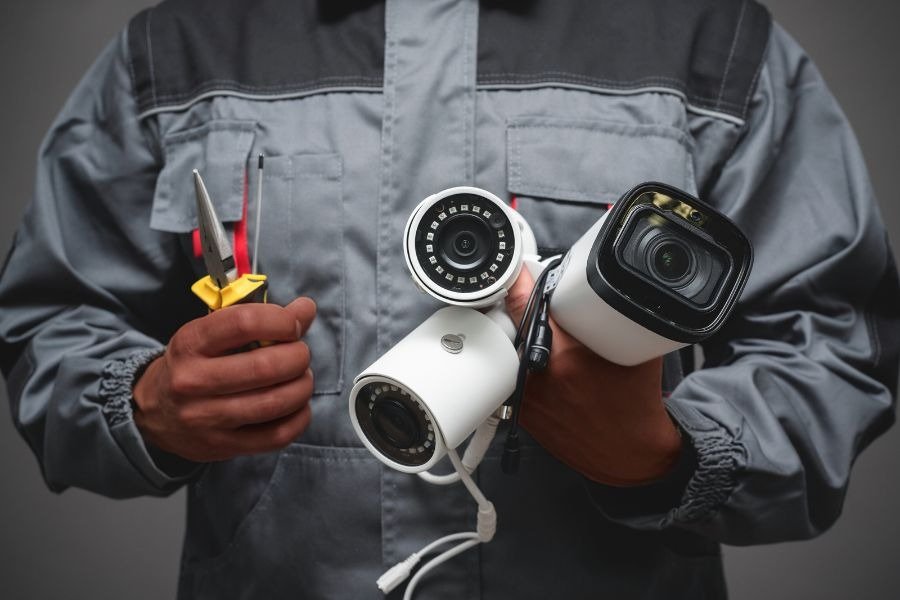
Real-time monitoring of security systems, energy consumption, and power infrastructure allows teams to identify issues early and respond decisively. This proactive approach protects guests, supports operational teams, and limits exposure to safety, financial, and reputational risks.
Creating Stability for Service Teams and Guests
When safety, security, and power systems perform reliably, they create operational stability. Staff can focus on service delivery without distraction, and guests experience uninterrupted comfort and confidence, even during power interruptions or high traffic events.

These systems may remain largely unseen, but their impact is felt immediately through smooth operations, secure environments, and consistent service quality.
Leadership That Anticipates

Excellence in safety, security, and energy management is defined by foresight and discipline. Properties that treat power continuity, risk management, and system integration as strategic priorities are better equipped to withstand peak-season pressures and external disruptions.
For professionals operating at the highest level, success is measured by preparedness and resilience. When systems hold firm under pressure, operations remain controlled, and guest trust is preserved, regardless of season, occupancy, or external challenges.