
For Operations Managers, success is not about seeking perfection. It is about building systems that guarantee perfection, performing reliably every day, especially during your peak service hours.
Contrary to what many believe, successful HORECA operations are not about flawless execution at every moment. They are about building efficient, resilient systems that deliver consistent results without requiring constant supervision.
Operational excellence is defined by consistency under pressure. Achieving it requires Operations Managers to rethink how work flows across departments, ensuring every function operates as part of one connected system rather than in isolation.
Simplifying SOPs Without Losing Control

High-performing operations departments reduce unnecessary complexity instead of adding more procedures. Overloaded SOP manuals can slow teams during busy service periods and create confusion.
Leading Operations Managers focus on clarity, not complexity. When procedures become overly detailed, teams spend more time navigating instructions and less time delivering results.

Effective Operations Managers streamline processes to essential steps, use visual checklists and train teams to achieve clear outcomes rather than simply comply with paperwork. When procedures are practical and repeatable, execution improves and accountability strengthens across departments.
Designing Workflows Around Real Work

Modern operations are designed around how people actually work. Smart leaders align preparation, service and administrative tasks with operational demands while reducing unnecessary handovers and duplicated effort.

Clear ownership of responsibilities reduces confusion between teams and improves service efficiency. When workflows are carefully designed, consistency improves and operational pressure becomes easier to manage.
Technology That Supports Performance

Technology should improve operations, not add complexity. Task management systems, inventory alerts and digital maintenance logs improve visibility and help reduce downtime. The focus must remain on practical results. Technology should simplify communication, prevent avoidable errors and support faster, better-informed decisions across departments.
Building Flexible, Cross-Trained Teams

Rigid job roles can limit operational flexibility. Cross-trained employees can support different functions during peak periods or unexpected absences, provided they have the necessary training and authorisation. This flexibility reduces operational strain, protects service standards and strengthens team confidence. Versatile teams help maintain stability without automatically increasing headcount.
Measuring What Actually Matters
Strong operations are guided by meaningful metrics. Task completion rates, guest waiting times, service errors and recurring operational issues provide valuable insights into how well systems are performing. Regular reviews help Operations Managers identify problems early, take corrective action and maintain accountability across departments.
A Smarter Approach To HORECA Operations
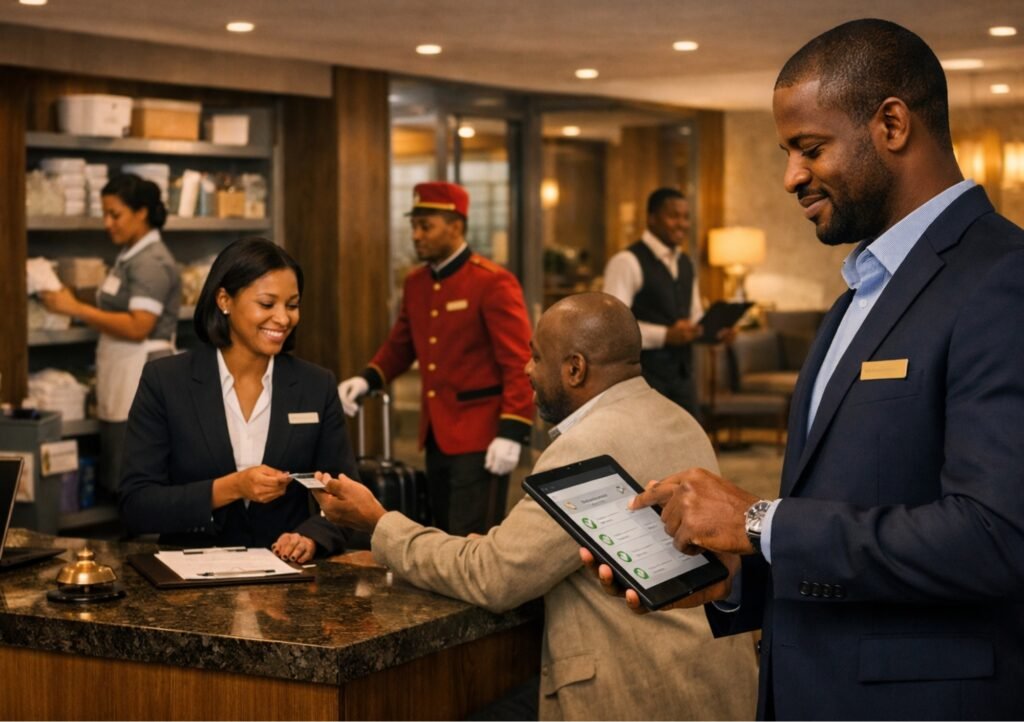
Operational excellence is not about working harder. It is about designing smarter systems. When procedures are clear, workflows are efficient, teams are adaptable and performance is measured consistently, HORECA operations can maintain high standards even under pressure.

 Are You A HORECA PROFESSIONAL?
Claim Your FREE HORECA KE Membership Here >>> https://www.horecaafrica.com/professionals
 Are You A HORECA SUPPLIER?
Join The HORECA KE SUPPLIER Network Here >>> https://www.horecaafrica.com/suppliers
To Stay Ahead In The HORECA Industry