How Today’s Sales & Marketing Managers Are Turning Visibility Into Demand, Direct Business & Profitable Revenue
Your hotel can be highly visible online and still be losing the commercial battle.
A busy social media feed does not guarantee bookings. High occupancy does not necessarily mean strong profitability. And filling rooms through repeated discounts or high-cost distribution channels can generate revenue while quietly giving away margin.
Today’s guest has more information, more choice and more ways to book than ever before. They compare rates, read reviews, watch videos, explore experiences, evaluate facilities and move between OTAs, social platforms, search engines and hotel websites before making a decision.
For Sales & Marketing Managers, this changes the job completely.
The question is no longer simply: “How do we promote the hotel?”
It is: “How do we create demand, convert it profitably and build a guest relationship we continue to own?”
That requires Sales, Marketing, Revenue Management and Operations to work as interconnected commercial functions—not separate departments chasing separate targets.
The Collapse Of Promotion-First Marketing
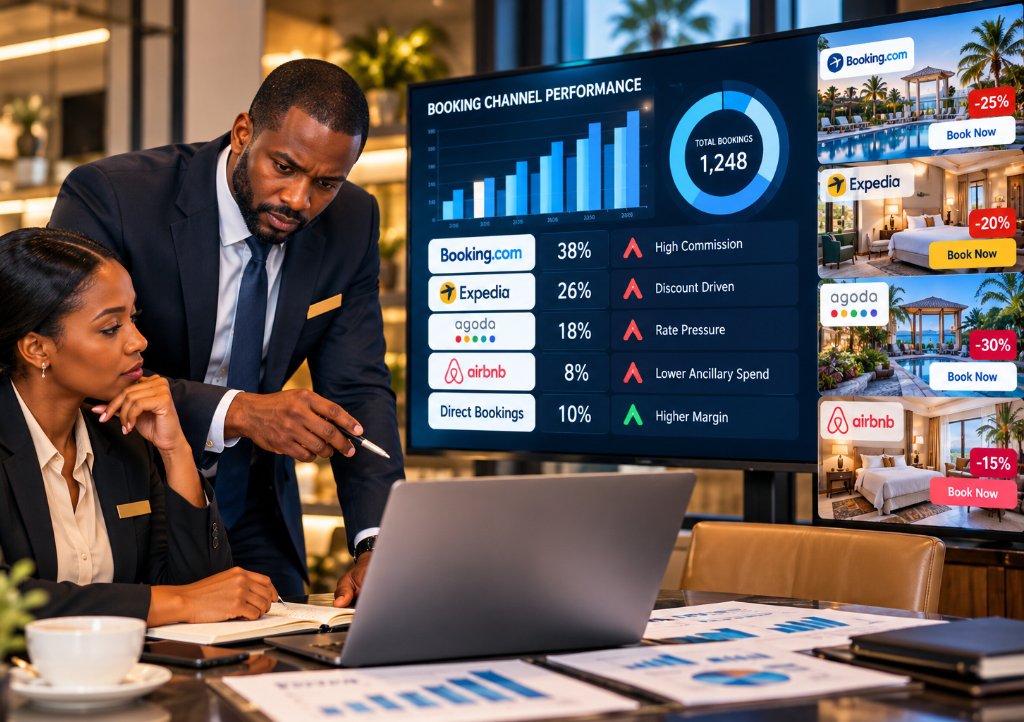
For years, hotel marketing relied heavily on promotions, paid advertising, OTAs and tactical campaigns to stimulate occupancy.
These channels still matter. The problem begins when they become the strategy rather than part of the strategy.
A hotel can fill rooms and still underperform commercially if those bookings come with high acquisition costs, excessive discounting or weak ancillary spend.
That is why smart Sales & Marketing Managers look beyond occupancy.
They ask:
What did it cost us to acquire this guest? What rate did we actually protect? Which channel produced the booking? What else did the guest spend? And do we now have a relationship that can generate future business?
The objective is not simply more bookings.
It is the right business, through the right channel, at the right value.
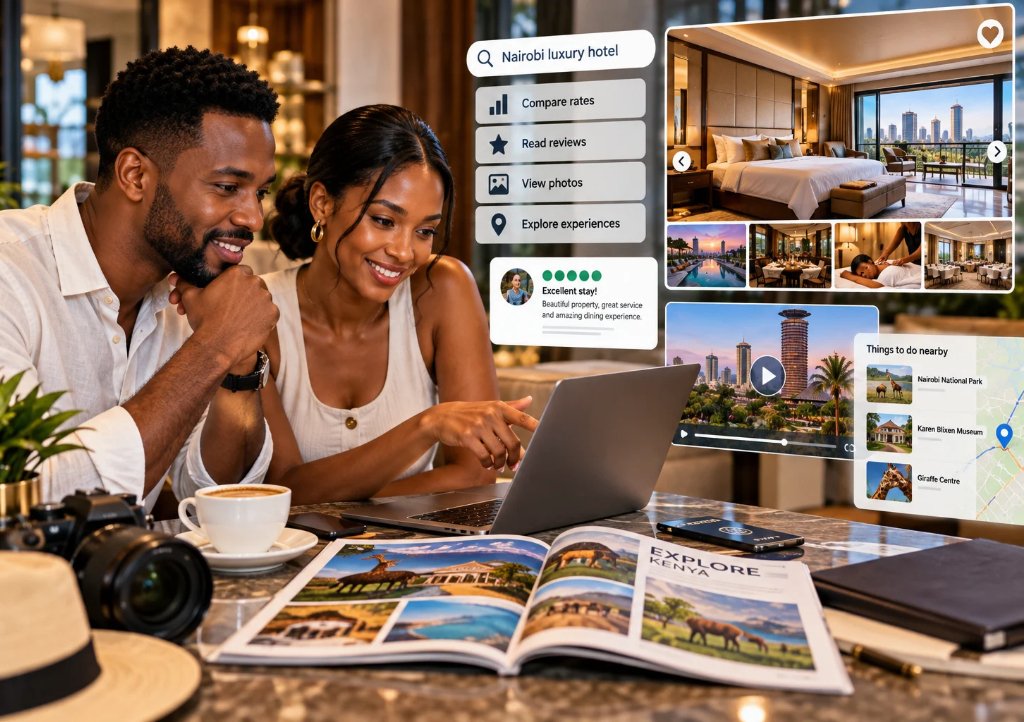
The modern guest journey is layered and research-intensive.
Before committing, travellers may compare properties, examine rooms, restaurants and meeting facilities, read reviews, explore the destination, watch videos and investigate the experiences surrounding a stay.
This creates an important opportunity.
Guests should be able to experience the value of your hotel before they ever arrive.
A generic room photograph and a discount offer are no longer enough when competitors are giving potential guests compelling reasons to choose them.
Content-Led Growth As A Commercial Strategy
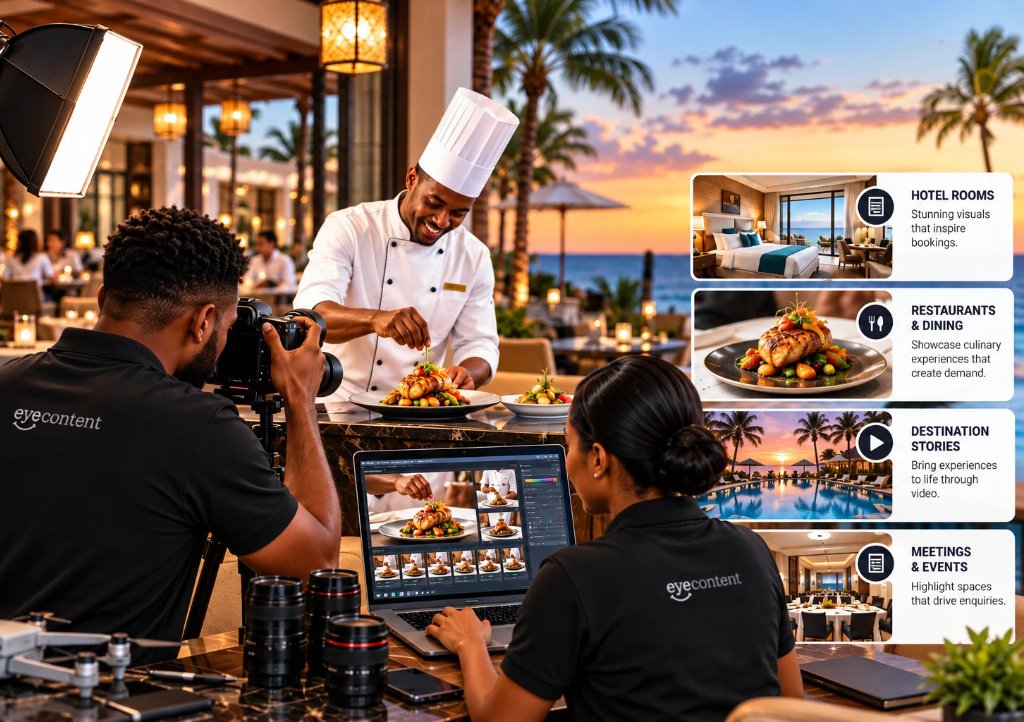
The strongest hotel content does more than generate likes. It creates demand.
Destination stories can attract leisure travellers. Restaurant and chef content can create local F&B demand. Wedding showcases can generate event enquiries. Meeting-room content can reach corporate planners. Spa and wellness stories can create ancillary revenue. Guest experiences can give travellers reasons to extend a stay or choose one property over another.
This is where content moves from the Marketing Department into commercial strategy.
For many hotels, this also means working with specialist content and creative partners who can bring rooms, restaurants, meetings, events and guest experiences to life through professional photography, video and digital storytelling.
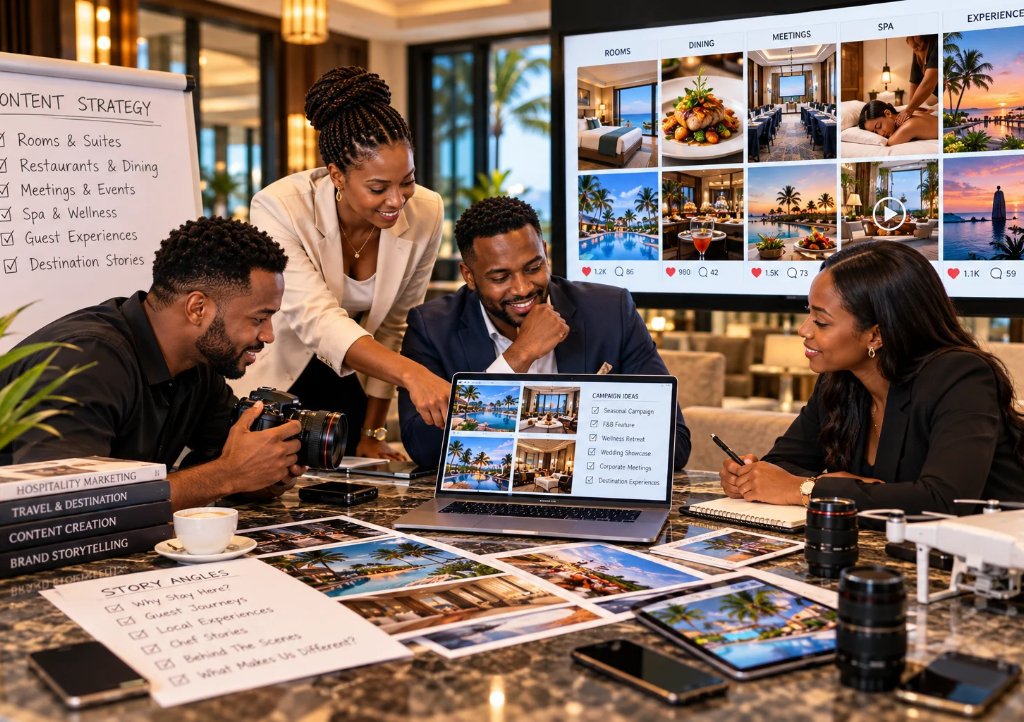
Instead of repeatedly telling audiences “Book Now”, effective hotels answer the questions that influence the booking decision:
Why should I stay here?
What can I experience here?
What makes this property different?
What can I do while I am there?
Why is this hotel worth the rate being asked?
When content answers those questions convincingly, it builds desire before price becomes the only deciding factor.
Great content creates interest. Interest creates intent. And intent creates an opportunity to convert.
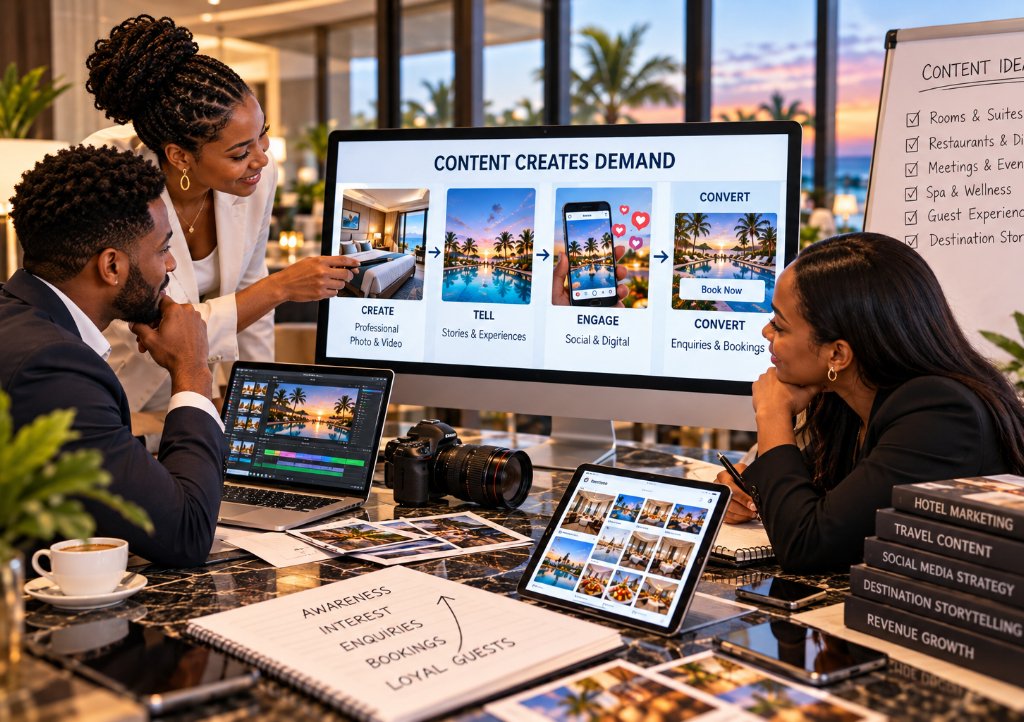
The commercial objective is therefore not content for content’s sake.
Every piece should have a purpose—building awareness, creating consideration, generating an enquiry, supporting a sales conversation, driving a booking or increasing spend somewhere else in the property.
Creating great content, however, is only part of the equation. The right hospitality and travel media platforms can extend those stories beyond a hotel’s own channels and place them in front of relevant travel, hospitality, lifestyle and industry audiences.
Partnership Marketing With Purpose
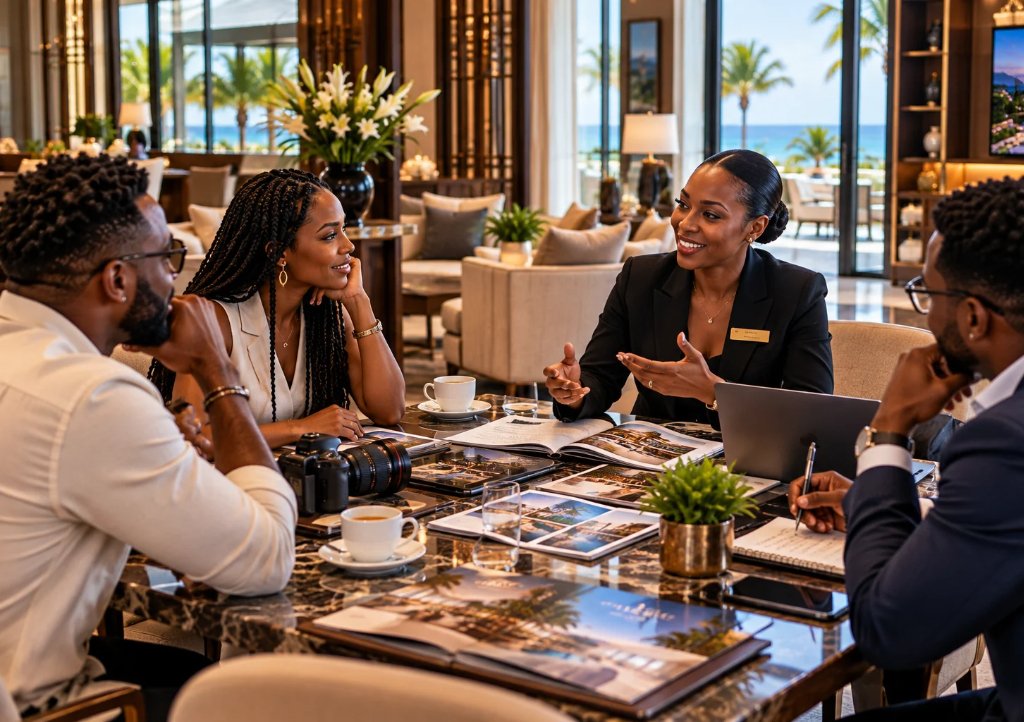
Influence without relevance is just exposure.
A creator with a huge following but little connection to your target market may generate impressive engagement and very little business.
Today’s Sales & Marketing Manager should therefore evaluate partnerships commercially.
Who is the audience? Does it match our guest profile? What market does the partner give us access to? What experience are we promoting? What action do we want the audience to take? And how will we measure the result?
The same principle applies beyond influencers.
Airlines, tour operators, DMCs, conference organisers, wedding planners, corporates, lifestyle brands, restaurants, attractions and complementary hospitality businesses can all become powerful demand partners when there is a genuine commercial fit.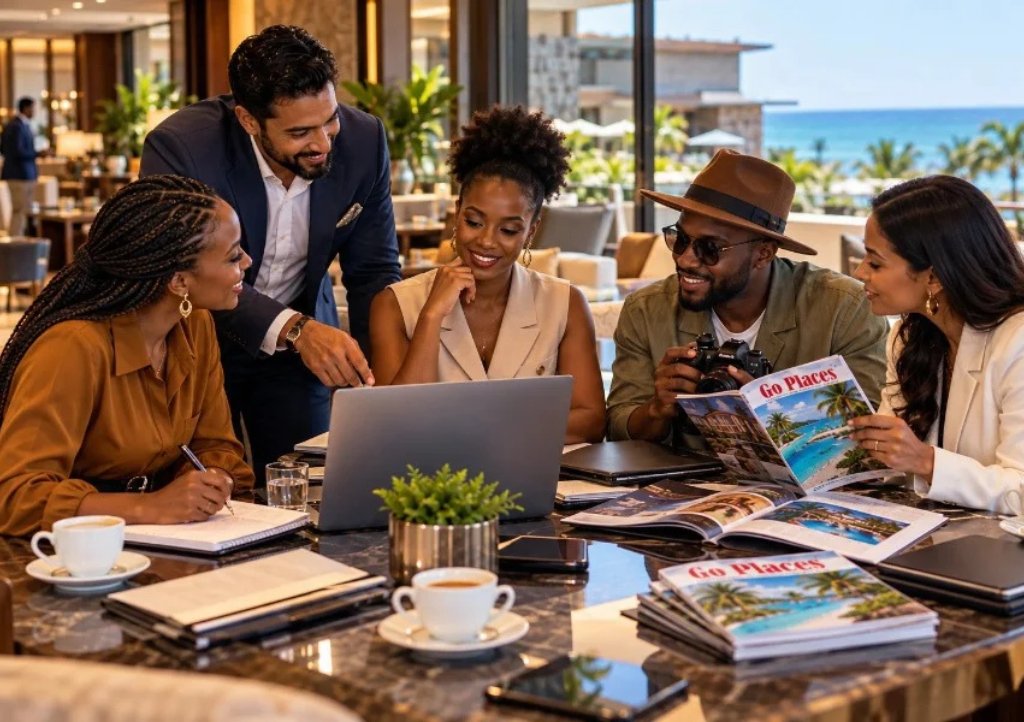
The best partnerships do not simply borrow somebody else’s audience.
They create a reason for two audiences to engage, experience and spend.
A culinary collaboration can drive restaurant covers. A wedding partnership can generate qualified leads. A corporate relationship can produce room nights and meetings. A destination collaboration can strengthen the entire guest proposition.
Partnership marketing becomes powerful when Sales & Marketing stop asking only “How many people will see us?” and start asking “What business can this relationship create?”
Direct Booking Optimisation And Margin Control
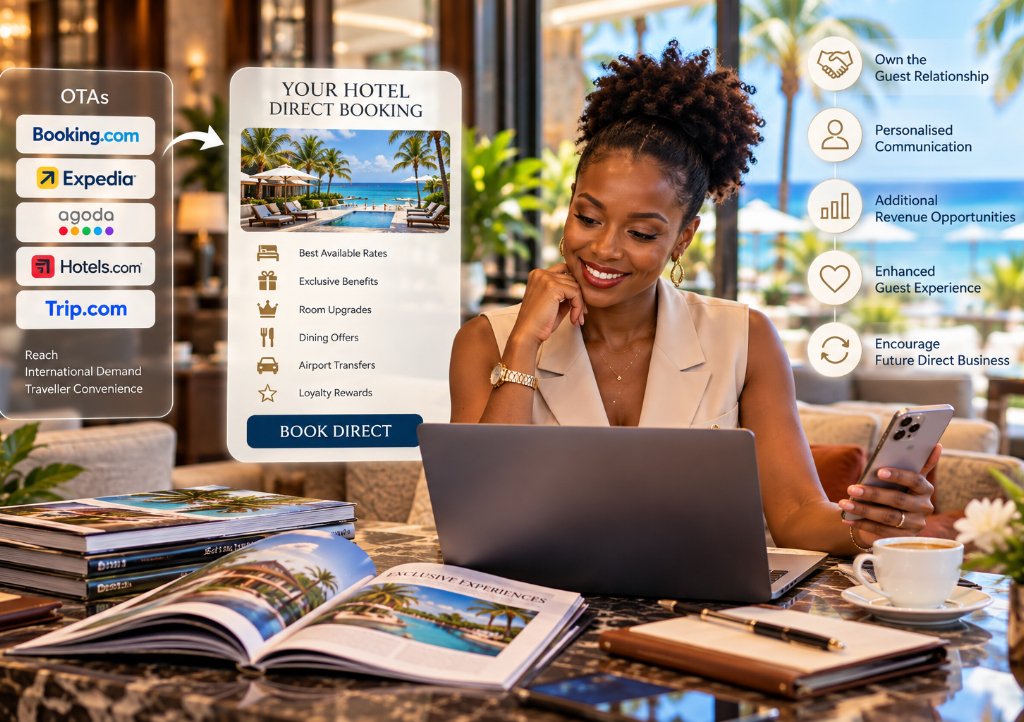
OTAs remain valuable distribution partners. They provide enormous reach, access to international demand and convenience for travellers.
The objective should not be to eliminate them. It should be to manage the channel mix intelligently.
Every booking channel carries different economics.
A guest may discover your hotel through an OTA today, but that does not mean the relationship must remain with the OTA forever.
This is where the direct-booking experience becomes critical.
A fast mobile website, an intuitive booking engine, clear room and rate information, compelling value-adds, effective CRM, responsive enquiry handling and intelligent follow-up all make it easier for guests to transact directly.
And direct does not automatically mean cheaper.
Instead of continuously cutting rate, hotels can create value through room upgrades, dining benefits, transfers, flexible terms, experiences, loyalty recognition or other advantages that make booking direct attractive while protecting rate integrity.
The real win is not simply acquiring the booking. It is acquiring the guest relationship.
Once a hotel owns that relationship—with appropriate guest consent—it can communicate before arrival, personalise the stay, create ancillary revenue opportunities and encourage future direct business.
Data, Personalisation And Commercial Accountability
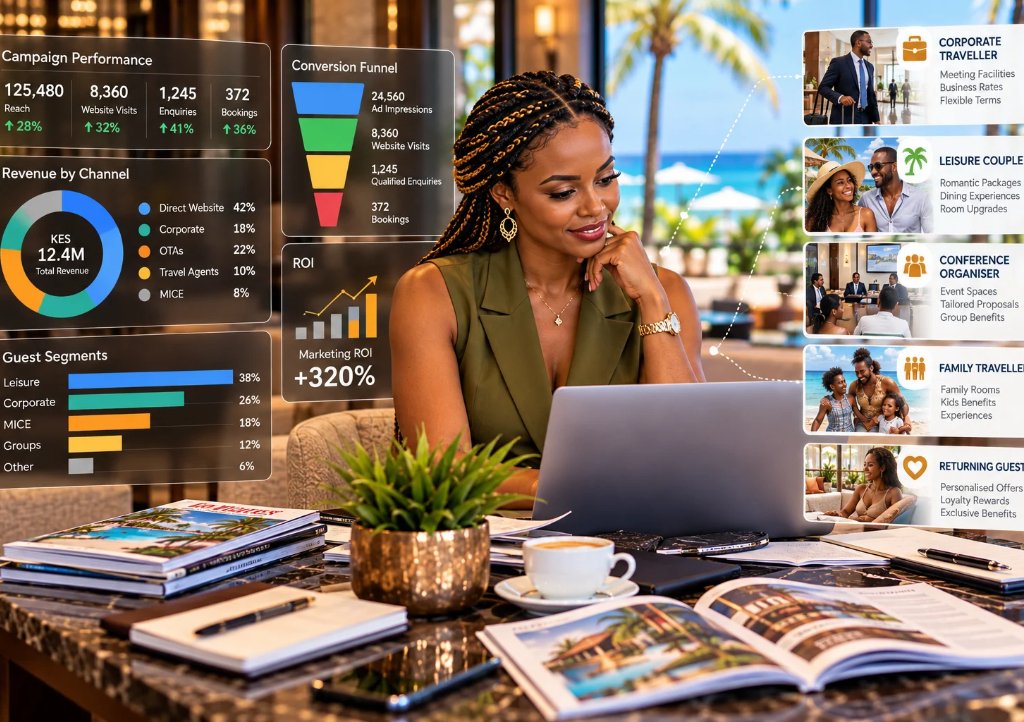
Mass marketing asks:
“How many people did we reach?”
Commercial marketing asks:
“What business did we generate?”
That difference matters.
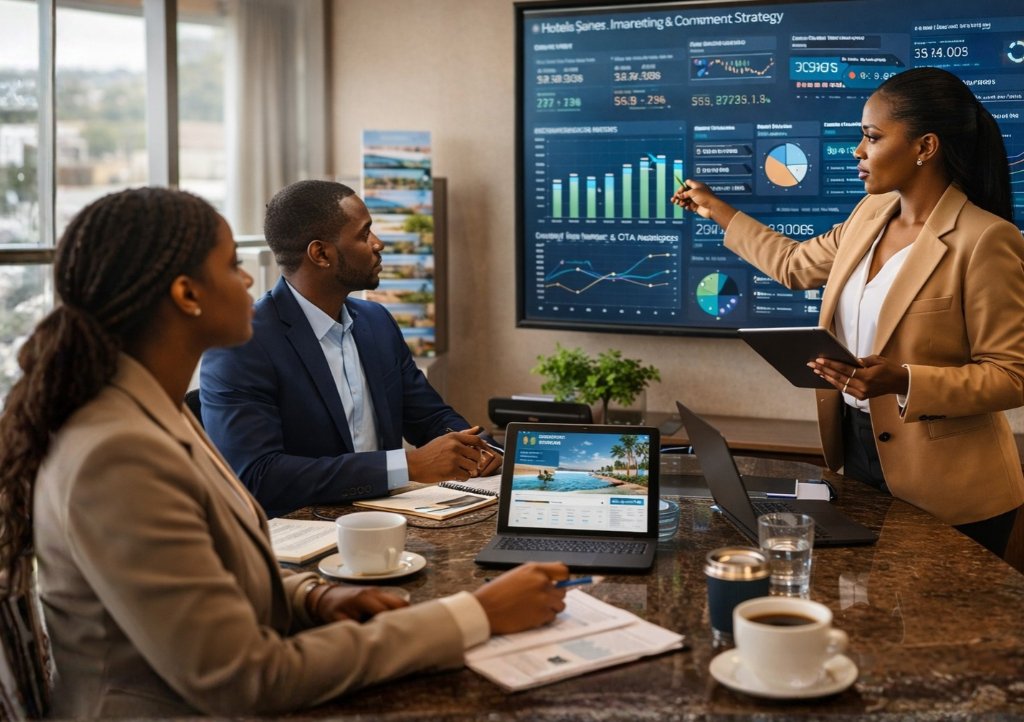
Today’s Sales & Marketing Managers should understand which markets are producing, which segments are converting, which channels are profitable, which campaigns generate enquiries, what guests are buying and where demand is changing.
A corporate traveller searching for meeting facilities should not receive exactly the same proposition as a couple planning a weekend escape.
A returning guest should not necessarily be marketed to like someone who has never experienced the hotel.
A conference organiser has different priorities from a leisure family.
Relevance Improves Conversions
But personalisation should go beyond inserting a guest’s name into an email. It means using legitimate first-party data, preferences and behaviour to deliver a more relevant proposition at the right stage of the customer journey.
And measurement must move beyond vanity metrics.
Reach, impressions, followers and engagement can be useful indicators—but they are not the final commercial result.
Sales & Marketing should increasingly connect activity to outcomes such as:
Qualified enquiries. Conversion. Revenue. Acquisition cost. Direct-booking contribution. Repeat business. Ancillary spend. And return on marketing investment.
That is how Marketing earns its place at the commercial table.
A Smarter Approach To Hotel Marketing
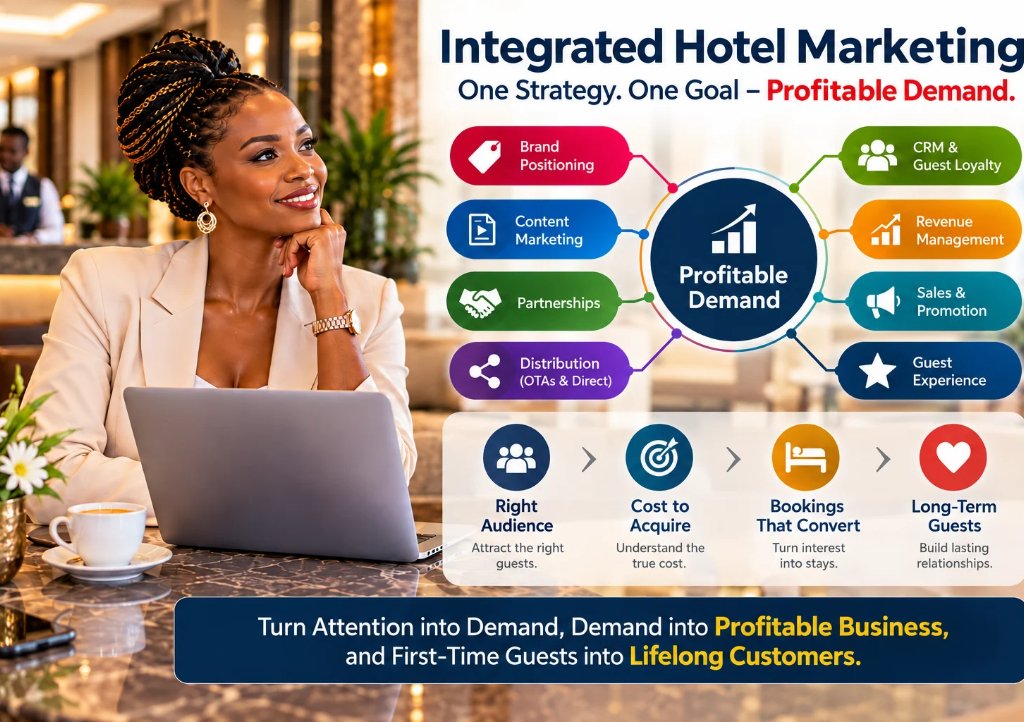
Traditional hotel marketing is not failing because advertising, OTAs, social media or promotions suddenly stopped working.
It is failing when hotels use these tools in isolation without understanding how they contribute to the complete commercial journey.
The future belongs to hotels that connect brand positioning, content, partnerships, distribution, CRM, revenue management, sales and guest experience around one objective:
Profitable demand.
For today’s Sales & Marketing Manager, this requires a different mindset.
Do not simply ask whether the campaign looked good.
Ask whether it attracted the right audience.
Do not simply celebrate occupancy.
Understand what it cost to acquire.
Do not simply count followers.
Know whether they become guests.
Do not simply generate bookings.
Build relationships that generate revenue beyond the first stay.
Because ultimately, successful hotel marketing is not measured by how loudly a property promotes itself. It is measured by how effectively it turns attention into demand, demand into profitable business, and first-time guests into long-term customers.
 Are You A HORECA PROFESSIONAL?
Claim Your FREE HORECA KE Membership Here >>> https://www.horecaafrica.com/professionals
 Are You A HORECA SUPPLIER?
Join The HORECA KE SUPPLIER Network Here >>> https://www.horecaafrica.com/suppliers
To Stay Ahead In The HORECA Industry